Lynn Hamilton and Joel Worth, publishers of the Animal Rights Channel, have signed the Wildlife Selfie Code and we encourage others to do so. You can sign the selfie pledge here: https://www.worldanimalprotection.us.org/wildlife-selfie-code
By taking the pledge, you promise not to take a selfie if the animal is being restrained or is being held captive. It seems that this pledge is necessary because many monkeys in Asia are basically being held captive for the purpose of tourist entertainment. They are often tied down between selfies. Obviously you don’t want to encourage an industry like this.
The code also constrains people from picking up or hugging wild animals. We don’t want to send the message that it’s okay to pick up turtles or hug baby wolves, no matter how much they might look like puppies. Doing so endangers their development as wild animals. Worse, we are likely to transmit bacteria that will make them sick or dead.
Wild animals should also not be fed. A fed animal is a dead animal because feeding animals erases their natural fear of people. Bears and wild cats who lose their fear of people are likely to be shot. Don’t offer a dolphin a fish in order to get it to smile for the camera.
When is it okay to take a selfie? Only when the animal is free to run away from you. Learn to use the zoom function on your smart phone or, better yet, learn to take real pictures with a camera.
 Let’s take a look at whether Norwegians would actually like to immigrate to the United States. By all usual measures, especially education, healthcare, and the prison system, it appears Norwegians have a higher standard of living than we do.
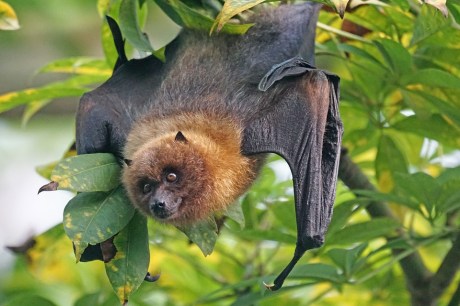 You may have caught the “Bill Nye Saves the World” segment on flying foxes. The featured scientist who studies them calls them “sky pups” because some of them look surprisingly like dogs. Others look like, well, foxes with wings. Their faces and necks are covered with reddish fur and they have small pointed ears characteristic of foxes, along with big, smooth wings. They look like foxes and, when resting, pose like Nosferatu, their wings closed around them like a cape. That’s the look of the Mauritian flying fox, also known as the fruit bat.

 Animal Rights Channel